Globally, there are approximately 32,000 exhibitions each year, featuring 4.5 million exhibiting companies and attracting over 303 million visitors.
Yet behind every exhibition booth is a fragmented supply chain where exhibitors manually search for stand builders, AV providers, and logistics partners across borders.
XPO Stands was built to solve this. As the product lead, I took this B2B marketplace from a basic website to a fully functional platform, launched it in the European market within 8 months, and then scaled the product over the following three years with expanded capabilities for both vendors and exhibitors.
- Discovery - Strategy - Roadmapping - UX Design - QA, Launch - Scaling
1 x Product Lead (me) 2 x Software Developers 1 x Digital Marketer 1 x IT Administrator 1 x Visual Designer (added during scaling phase)
2020
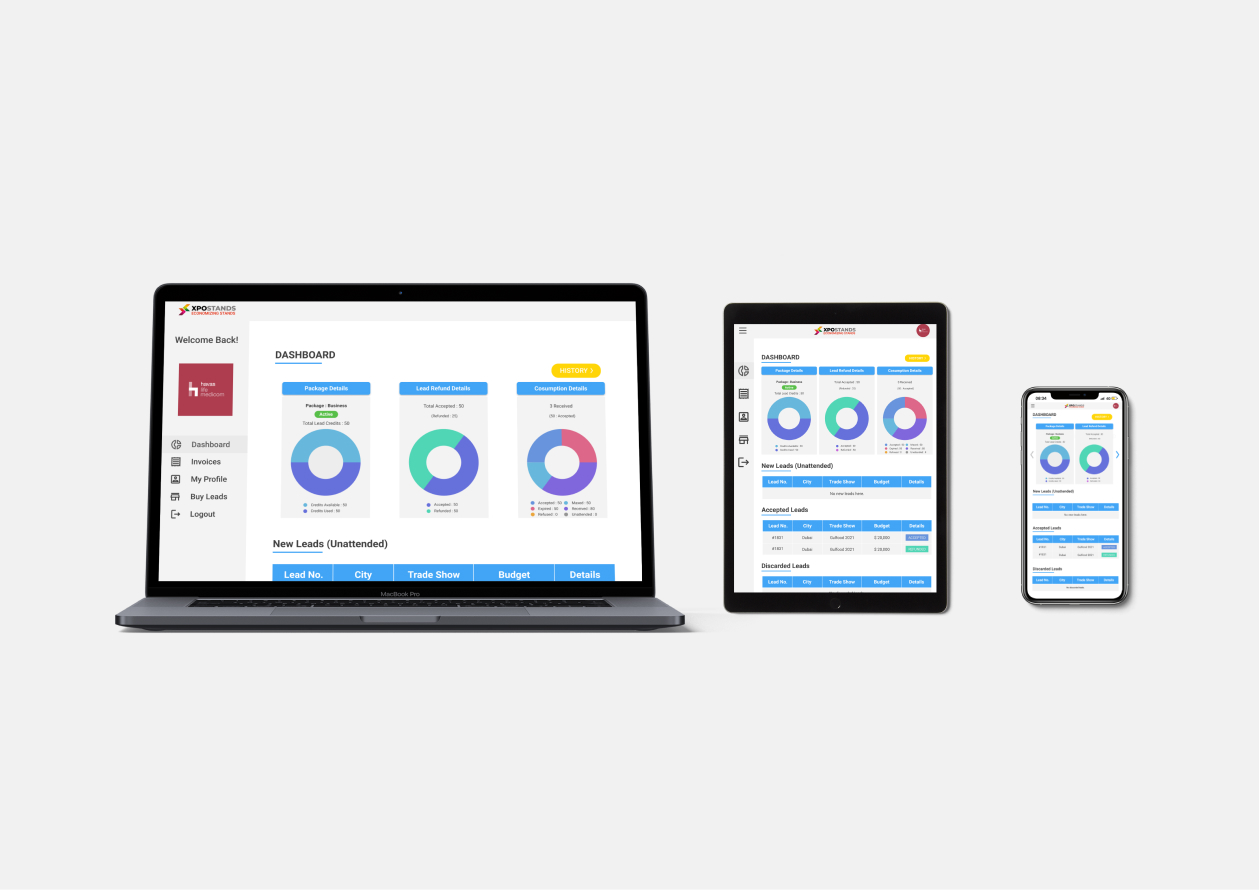
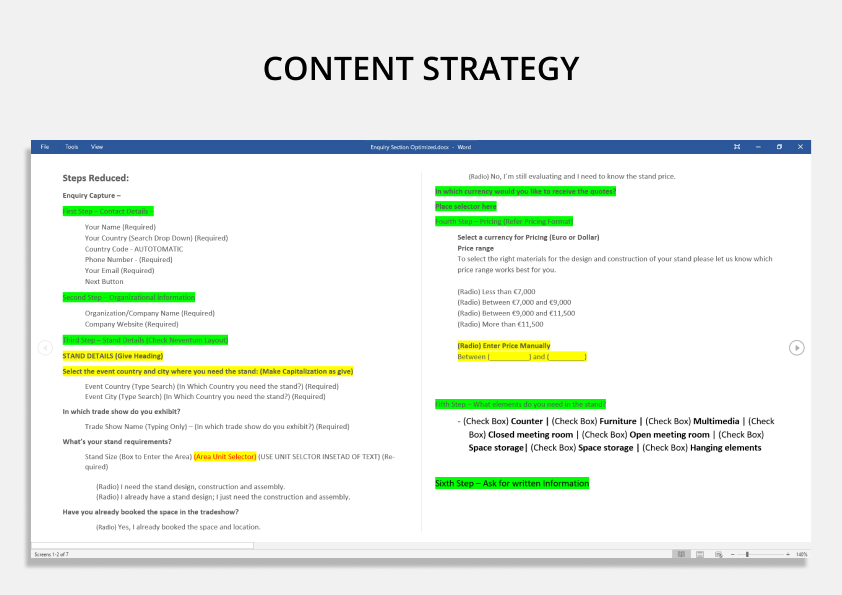
Discovery & Scoping: Audited the existing product (a static website with a basic admin panel), mapped the gap, and created a product workbook defining user personas, core workflows, and the full feature scope.
Architecture & Prioritization: Broke the product into 11 modules across 3 phases. Phase 1 (Foundation): registration, profiles, subscriptions. Phase 2 (Core Engine): inquiry distribution, lead tracking, messaging. Phase 3 (Operations): invoicing, admin dashboard, analytics.
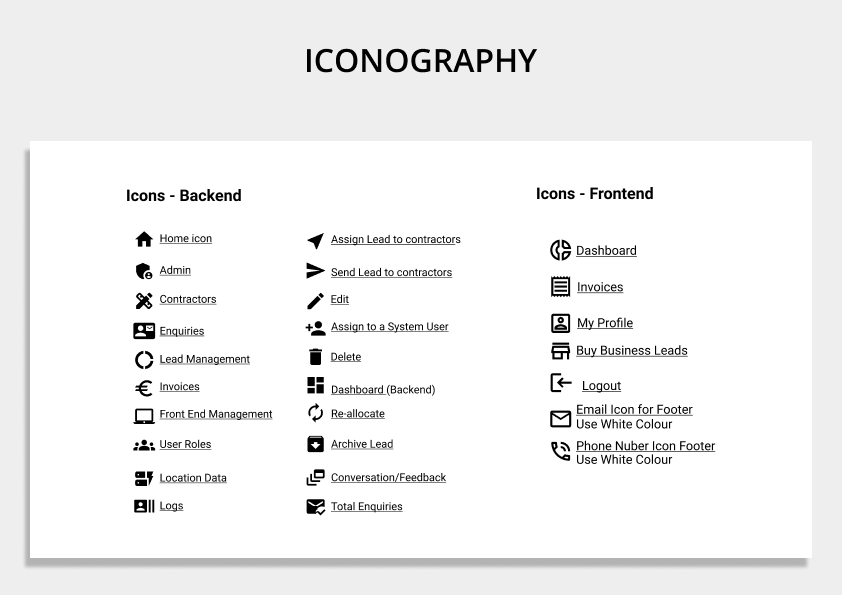
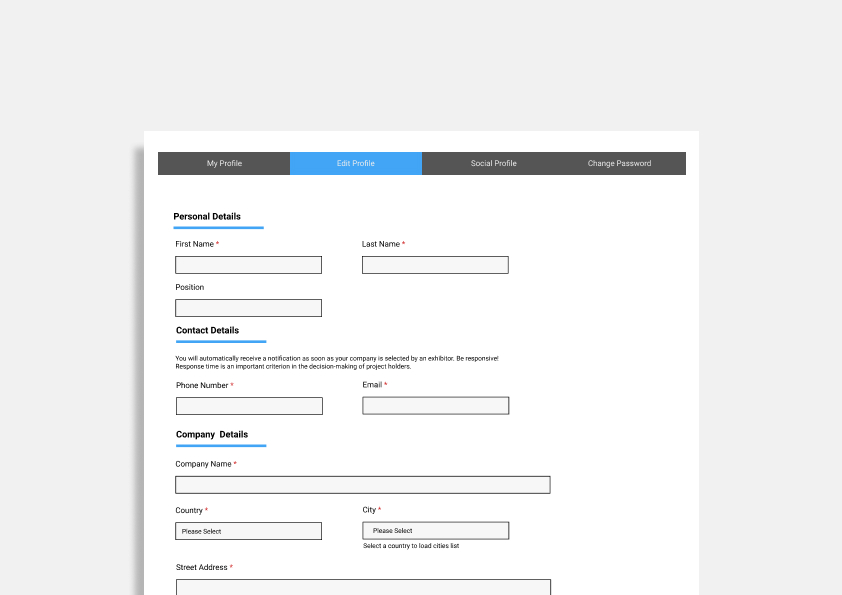
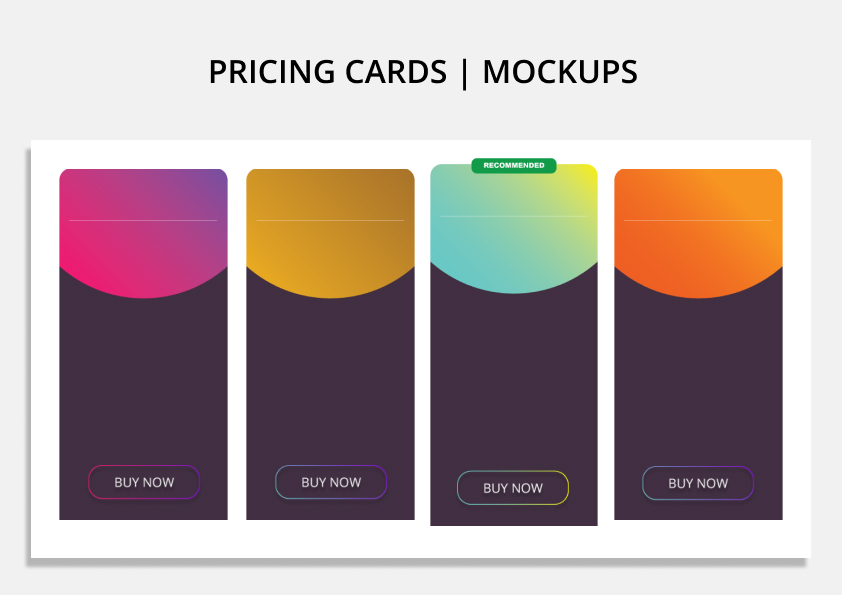
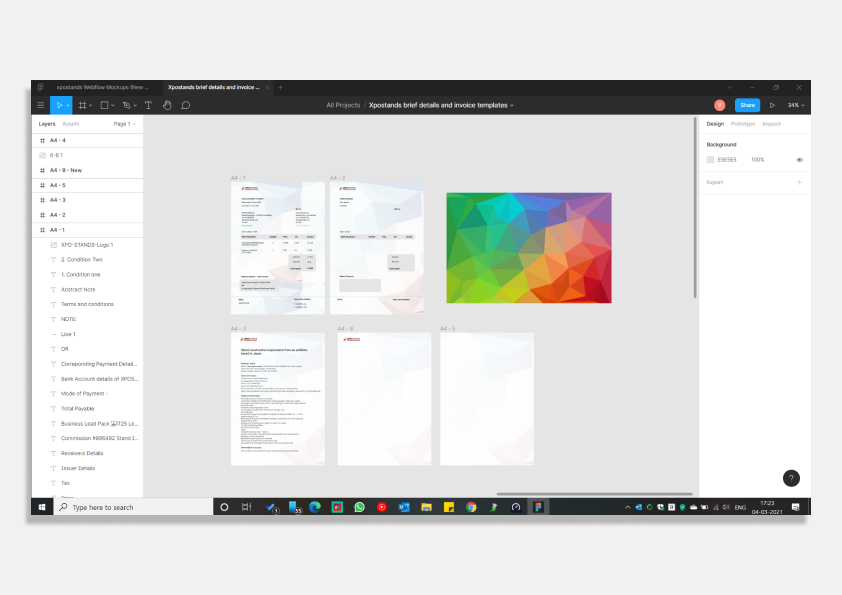
Prototyping & Design: Introduced prototypes into the workflow using Figma, eliminating the communication gap between product specs and development output. Designed all user flows, UI components, and interaction patterns.
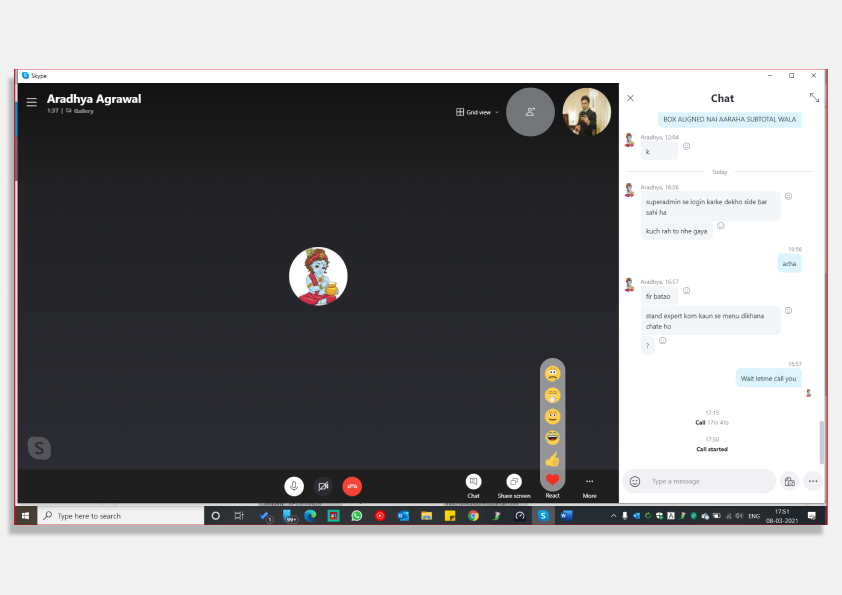
Development Coordination: Managed development sprints, resolved dependency conflicts between modules, and maintained a feedback loop between specs, prototypes, and shipped code.
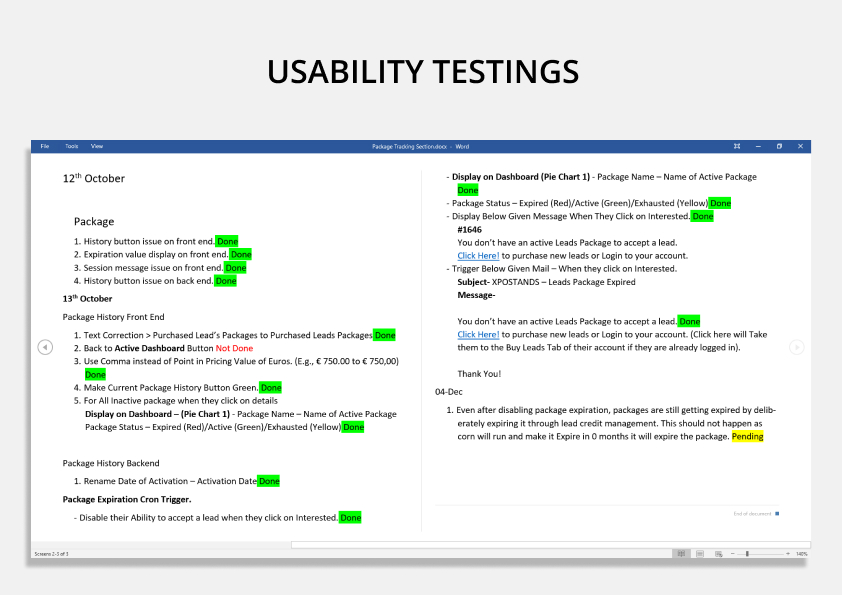
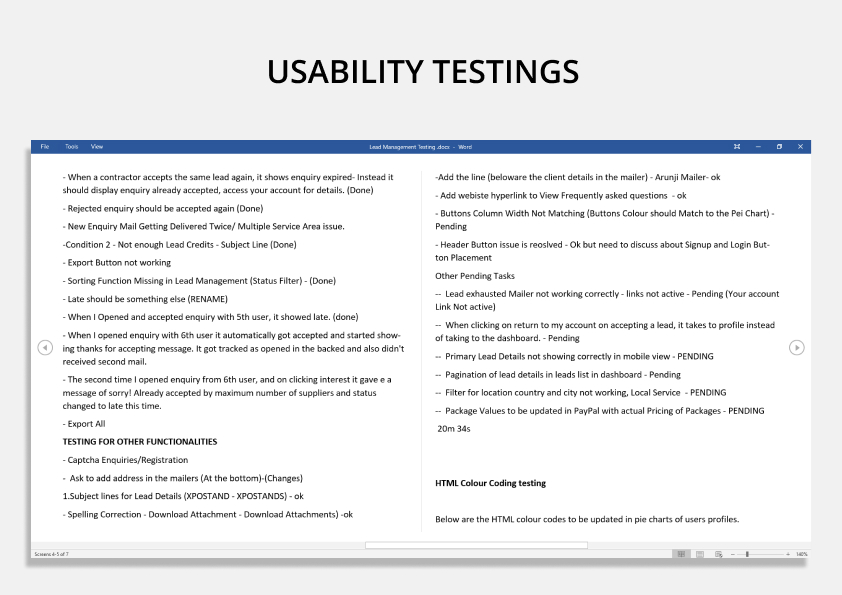
Testing & Iteration: Conducted functional, usability, cross-browser, and integration testing. Spent 2 additional months post-launch fixing edge cases and migrating to cloud infrastructure.
Launch & GTM: Launched in the European market (Jan 2021) with a freemium model to drive vendor acquisition.
User-driven expansion: Based on real usage data and business needs, scoped and shipped 9 additional modules: review management with moderation, public vendor profiles, customer self-service portal, enhanced vendor dashboards, SEO-driven content pages, backend optimization, and customizable access management.
Trust and credibility systems: Designed moderated review workflows and public profiles that gave vendors credibility signals and gave exhibitors confidence to convert.
Growth infrastructure: Built SEO-optimized location pages that created an organic acquisition loop, and established external social proof through Trustpilot.
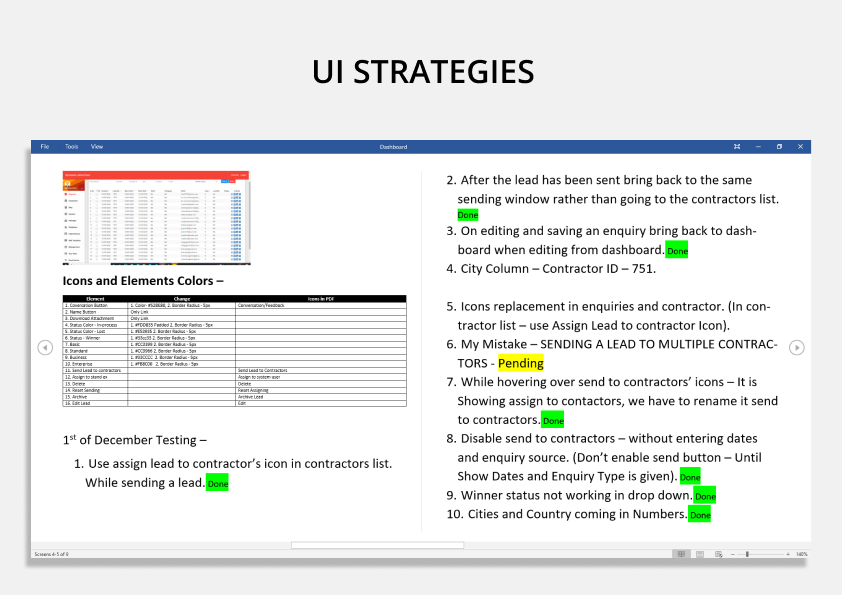
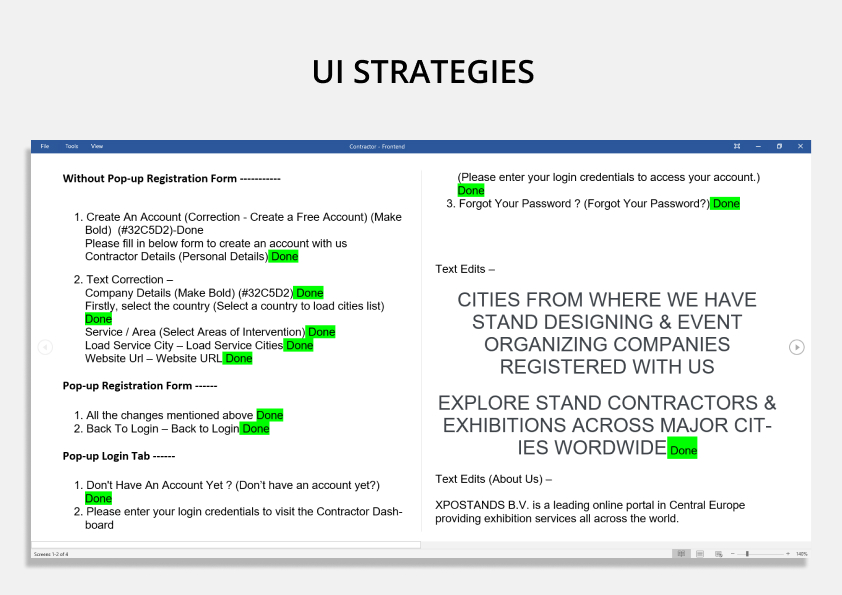
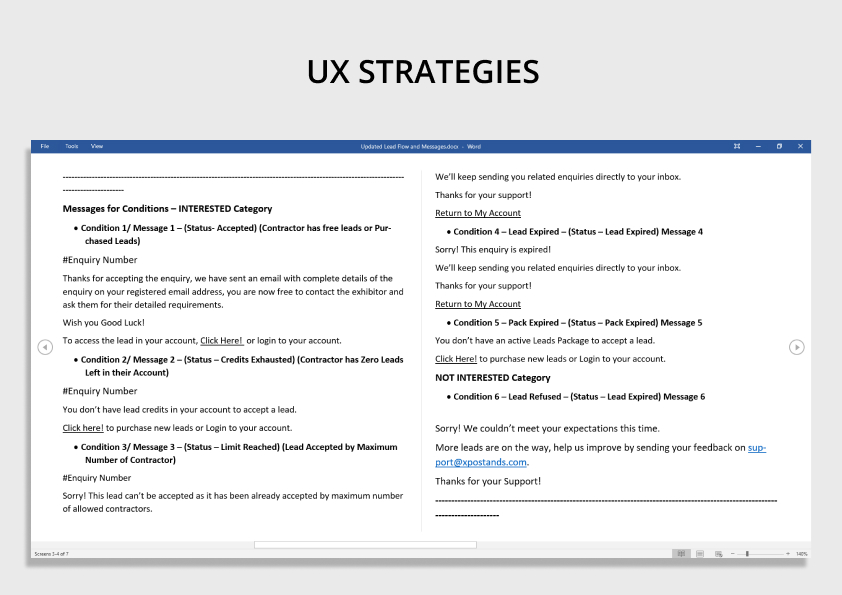
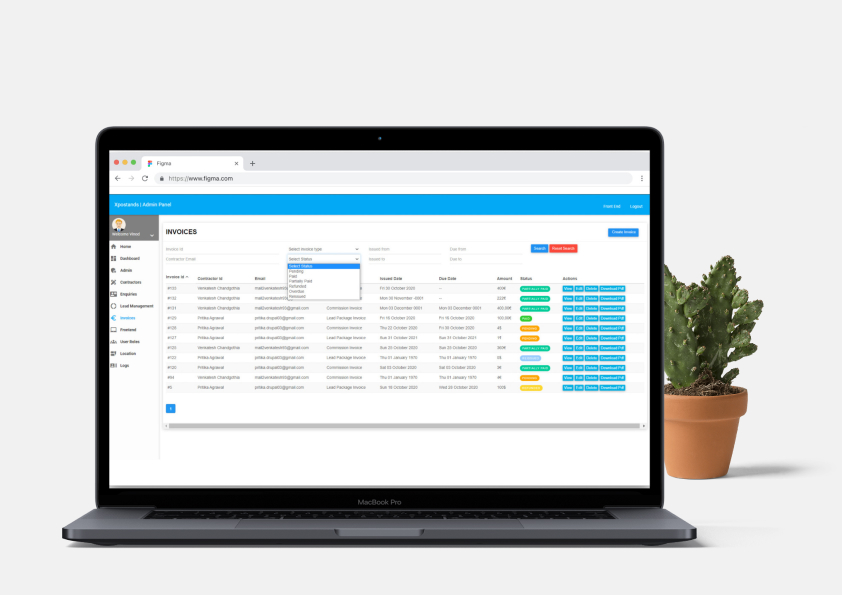
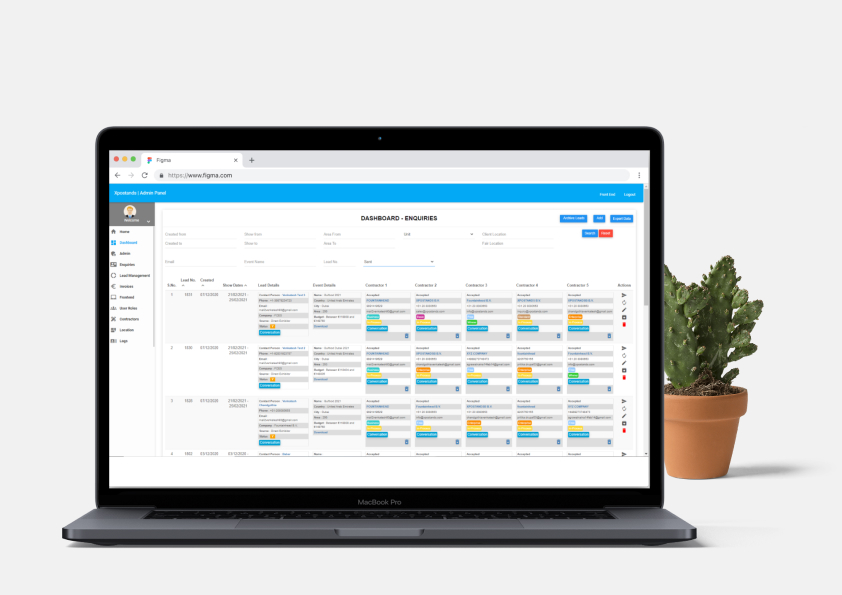
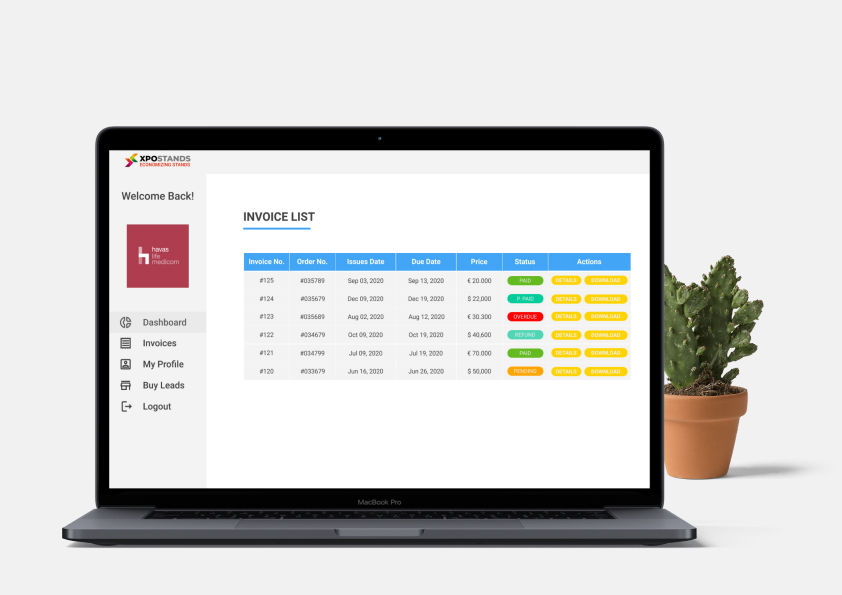
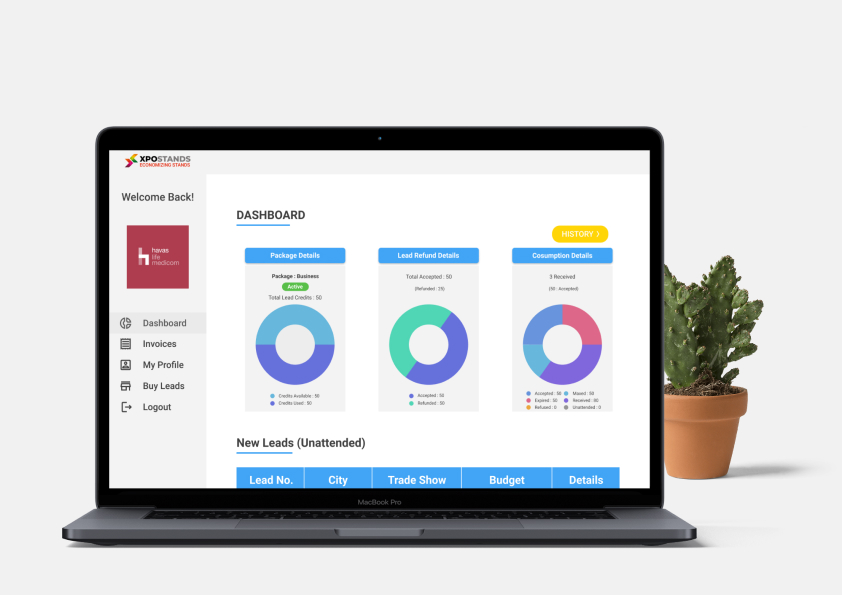
Launched XPO Stands in January 2021, delivering a platform where a single exhibitor inquiry reaches 10+ service providers simultaneously, with full lifecycle tracking across 9 data points per vendor. The freemium go-to-market strategy drove initial vendor acquisition in the European region.
Over the following two years, scaled the product with 7 additional modules including review management, public vendor profiles, and a customer self-service portal. The platform grew to generate significant business revenue with established market credibility and social proof.
Why modules over features?
Structuring the roadmap around modules (not individual features) allowed us to ship complete functional units that delivered standalone value while building toward the integrated system.
Why prototypes changed everything?
The single highest-ROI investment was introducing visual prototypes before development. It cut rework significantly and aligned the team around a shared vision, which was critical for a fully remote team that had never met in person.
Why European market first?
The European events industry showed earlier recovery signals post-pandemic, we are based in Amsterdam and the service providers density in this region offered the best supply-side conditions for a marketplace launch.
Why moderated reviews?
In a B2B marketplace where deal sizes are significant, unmoderated reviews would have undermined trust. The moderation workflow was slower but made every published review a credible signal.
Why build public profiles?
Service providers without an online presence needed a credibility asset. Suppliers with existing websites got an additional trust channel. Both scenarios made the platform stickier and reduced churn.

.svg)
